


“This is an exciting moment for cardiac amyloid imaging. These Phase 3 trials have the potential to expand how we diagnose, characterize, and treat cardiac amyloidosis and could help shape the next generation of care.”
– Jamieson M. Bourque, MD, MHS, FASNC
ASNC President
New Phase 3 clinical trial data with potential to shape the future of cardiac amyloidosis diagnosis, imaging, and treatment will be unveiled at ASNC2026, where a Late-Breaking Clinical Science session will feature results from the REVEAL trial of I-124 evuzamitide PET/CT for the diagnosis of cardiac amyloidosis, the CARDIAG study of F-18 florbetaben PET for AL cardiac amyloidosis, and the CARDIO-TTRansform trial of eplontersen in transthyretin amyloid cardiomyopathy.
The session will be moderated by Olivier Clerc, MD, MPH, and Gabriel Grossman, MD, PhD, MASNC. Panelists will include Cesia Gallegos-Kattán, MD, MHS, FASNC, Saurabh Malhotra, MD, MPH, FASNC, and Frederick Ruberg, MD.
REVEAL Trial Assessing I-124 Evuzamitide PET/CT for Cardiac Amyloidosis

Sharmila Dorbala, MD, MPH, MASNC
Sharmila Dorbala, MD, MPH, MASNC, will present results from the multicenter Phase 3 REVEAL trial evaluating I-124 evuzamitide PET/CT as a diagnostic tool for cardiac amyloidosis diagnosis.
The open-label study enrolled 170 adults with suspected cardiac amyloidosis at 18 U.S. centers, including patients with suspected light-chain (AL), transthyretin (ATTR), and other forms of amyloidosis. Participants underwent cardiac and partial-body PET/CT imaging 3-5 hours after administration of evuzamitide.
Three cardiac PET/CT experts independently assessed the scans for cardiac tracer uptake, and results were independently adjudicated against standard-of-care diagnoses based on clinical history, laboratory testing, biopsy, genetic testing, ECG, echocardiography, cardiac MRI, and bone-avid tracer imaging.
The sensitivity and specificity of evuzamitide PET/CT will be presented at ASNC2026, providing a critical assessment of its diagnostic performance in a broad population with suspected cardiac amyloidosis.
CARDIAG Study Examining F-18 Florbetaben PET for AL Cardiac Amyloidosis

Paco E. Bravo, MD
Paco E. Bravo, MD, will present findings from the Phase 3 CARDIAG study evaluating the diagnostic performance of F-18 florbetaben PET for AL cardiac amyloidosis as well as takeaways from exploratory analyses examining whether quantitative PET can help distinguish AL from ATTR cardiac amyloidosis and identify extracardiac amyloid deposition.
At ASNC2026, Dr. Bravo will review findings from earlier F-18 florbetaben studies, outline the CARDIAG study design, and detail potential implications for future clinical use of the radiotracer.
The presentation will also compare the imaging characteristics of F-18 and I-124 amyloid-targeting compounds, offering perspective on how different radiotracers could shape the future of cardiac amyloid imaging.
CARDIO-TTRansform Trial Evaluating Eplontersen in Transthyretin Amyloid Cardiomyopathy

Brett W. Sperry, MD, FASNC
Brett W. Sperry, MD, FASNC, will present results from the Phase 3 CARDIO-TTRansform trial evaluating eplontersen in patients with ATTR-CM. Eplontersen reduces hepatic TTR production and is approved for hereditary TTR amyloid polyneuropathy.
The randomized, double-blind, placebo-controlled trial enrolled 1,432 patients with wild-type or variant ATTR-CM at 130 centers in 20 countries. Patients received eplontersen or placebo every 4 weeks for 140 weeks on top of standard of care, including TTR-stabilizer therapy when applicable.
The ASNC2026 presentation will include the efficacy and safety results for the primary composite endpoint of cardiovascular mortality and recurrent cardiovascular events, along with functional, quality-of-life, and mortality outcomes. Analyses will examine the overall population as well as patients receiving TTR stabilizers at baseline and those receiving eplontersen without a stabilizer.
As the largest ATTR-CM trial to date, CARDIO-TTRansform has the potential to provide important insights into TTR gene silencing and the role of combination treatment strategies in ATTR-CM.
This exciting session will be held Thursday, Sept. 17, at 1:30 PM (Pacific Time). Register now to be among the first to hear these potentially practice-changing findings.
Article Type
News & Announcements
Category
Annual Meeting, Research
Related Posts
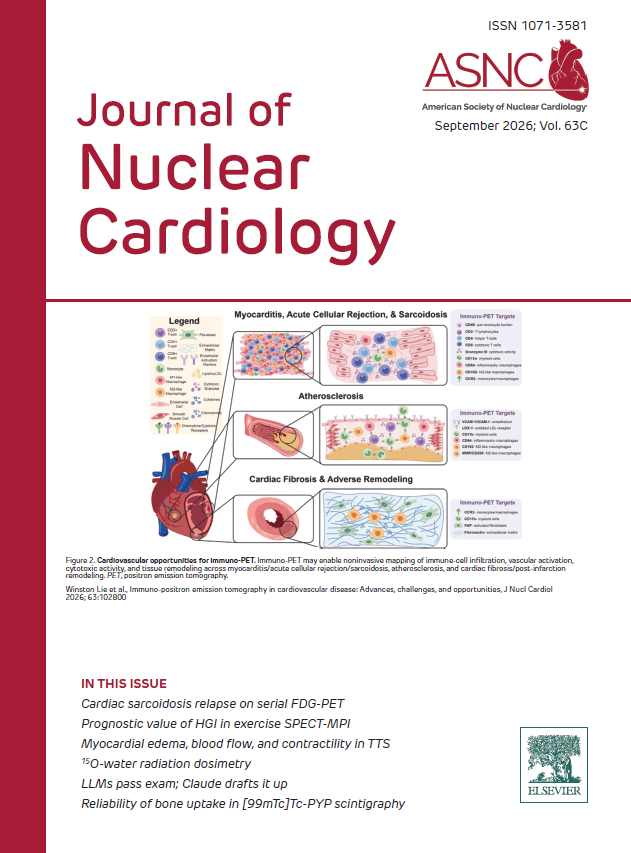
JNC Showcases Quantitative Advances Driving Progress Across Nuclear Cardiology
From refining radiation dosimetry to improving risk prediction and expanding molecular imaging…
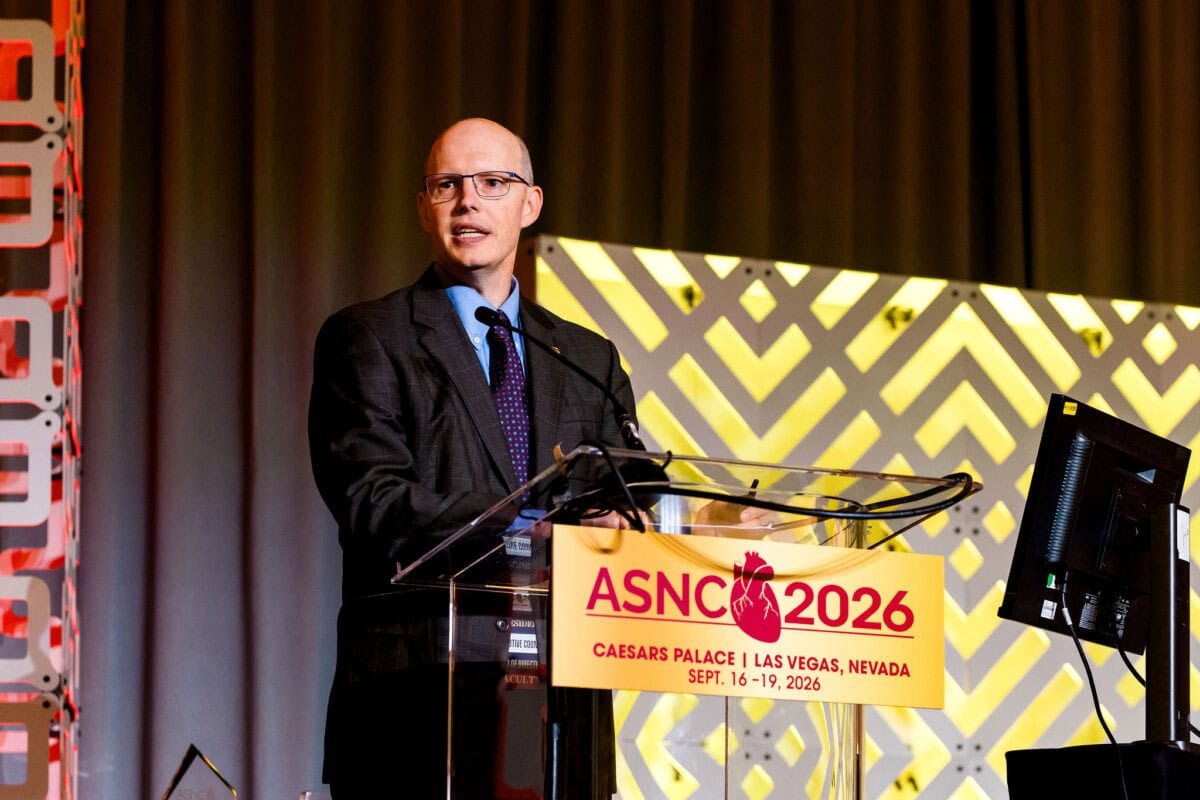
ASNC President Unveils New Education and Leadership Initiatives, Celebrates Year of Innovation
During the ASNC2026 Opening Plenary Session, ASNC President Jamieson M. Bourque, MD,…

A Practical Update for the Stress Lab: Q&A With Guideline Chair Dr. W. Lane Duvall
“I think clinicians reviewing the guideline will have a number of small…