Following publication of the ACC/AHA/ASE/ASNC/SCCT/SCMR Advanced Training Statement on Advanced Cardiovascular Imaging, cardiologists are pondering what the document’s push toward breaking down the field’s silos will mean for trainees and training programs as well as the subspecialties and their professional societies.
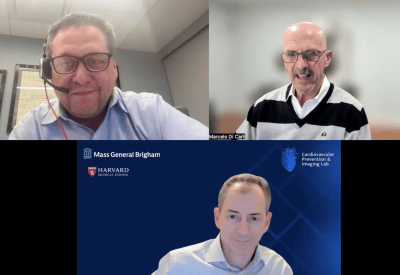
Episode 12 of JNC CardioConnect. Row 1 (L to R): Lawrence Phillips, MD, MASNC, and Marcelo F. Di Carli, MD, MASNC. Row 2: Ron Blankstein, MD.
In Episode 12 of the JNC CardioConnect podcast, Marcelo F. Di Carli, MD, MASNC, the statement’s lead author, Ron Blankstein, MD, and ASNC Past President Lawrence Phillips, MD, MASNC, discuss why the rapid evolution of cardiovascular imaging is making it increasingly important that advanced multimodality cardiovascular imagers are competent to perform and interpret all 4 major modalities. Such expertise, they say, is essential for there to be practitioners who are able to integrate information from multiple tests into clinical decision-making. To ensure newly graduated imagers are ready to meet the challenge, training programs should begin thinking creatively about their pathways while cardiovascular imaging societies explore new opportunities to help.
“ASNC is ready for the challenge,” says ASNC President Jamieson M. Bourque, MD, MHS, FASNC. “ASNC is well positioned to provide supportive guidance and encourage this important multimodality training initiative,” he says. “The Society will provide pertinent, high-yield educational material created by content experts to support multimodality imaging training.”
Article Type
JNC News, News & Announcements
Category
Education, Journal of Nuclear Cardiology (JNC), Trainee
Related Posts

A Practical Update for the Stress Lab: Q&A With Guideline Chair Dr. W. Lane Duvall
“I think clinicians reviewing the guideline will have a number of small…
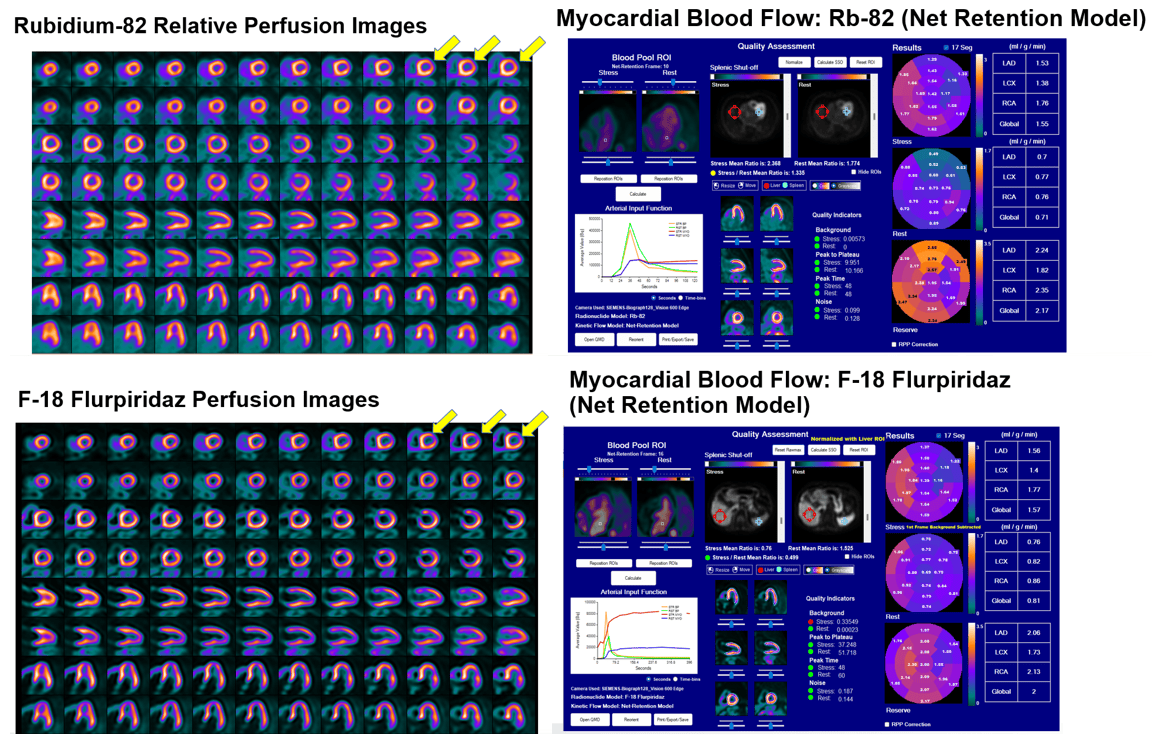
New Cardiac PET Case! Does the Radiotracer Change the Picture?
“Serial scans are now increasingly performed in cardiac transplant patients as a…
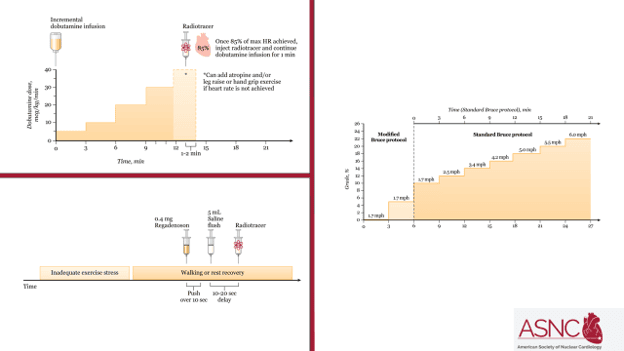
ASNC Releases New Guideline for Stress Testing in SPECT and PET Myocardial Perfusion Imaging
ASNC Releases New Guideline for Stress Testing in SPECT and PET Myocardial…