


Look inside the latest issue of JNC. To access full-text articles, log in from your ASNC member account.
Advancing molecular imaging of myocardial inflammation will require a concerted effort from the nuclear cardiology community, including clinicians, researchers, professional societies, and industry, says Marcelo F. Di Carli, MD, MASNC, in his Editor’s Page in the new issue of the Journal of Nuclear Cardiology.
Call for Collaboration
Examining the promise of emerging molecular imaging radiotracers and the limitations of current approaches, Dr. Di Carli argues that the field must move beyond identifying myocardial inflammation to establishing whether imaging findings improve risk stratification, guide treatment decisions, and predict patient outcomes.
Achieving this goal, he says, will require multicenter collaboration, standardized imaging protocols, common definitions, independent adjudication, and longitudinal follow-up. Dr. Di Carli also points to roles for professional societies, investigator networks, public funding, and industry partners to build the evidence needed to bring new approaches into clinical practice.
The new JNC issue also explores other developments shaping nuclear cardiology, including 25 years of clinical experience with N-13 ammonia PET, stress testing in patients with coronary artery myocardial bridging, and deep learning applications to improve gated SPECT image quality.
Also in JNC: New Stress Testing Guideline –
Must-Have Resource for Every Lab
The new issue of the Journal includes the 2026 ASNC Guideline for Stress Testing in SPECT and PET Myocardial Perfusion Imaging, which was released as an article-in-press in September.
Replacing the 2016 guidance, the comprehensive guideline provides updated recommendations for patient preparation, stressor selection, exercise and pharmacologic stress protocols, safety, interpretation and reporting, and laboratory staffing and supervision.
“The new guideline reflects a decade of change: generic stress agents, a larger role for PET, the arrival of flurpiridaz, and expanded guidance on special populations, cold pressor and mental stress testing, and laboratory staffing,” says Dr. Di Carli. “Every laboratory should keep it at hand.”
Article Type
JNC News, News & Announcements
Category
Education, Guidelines & Quality, Journal of Nuclear Cardiology (JNC)
Related Posts
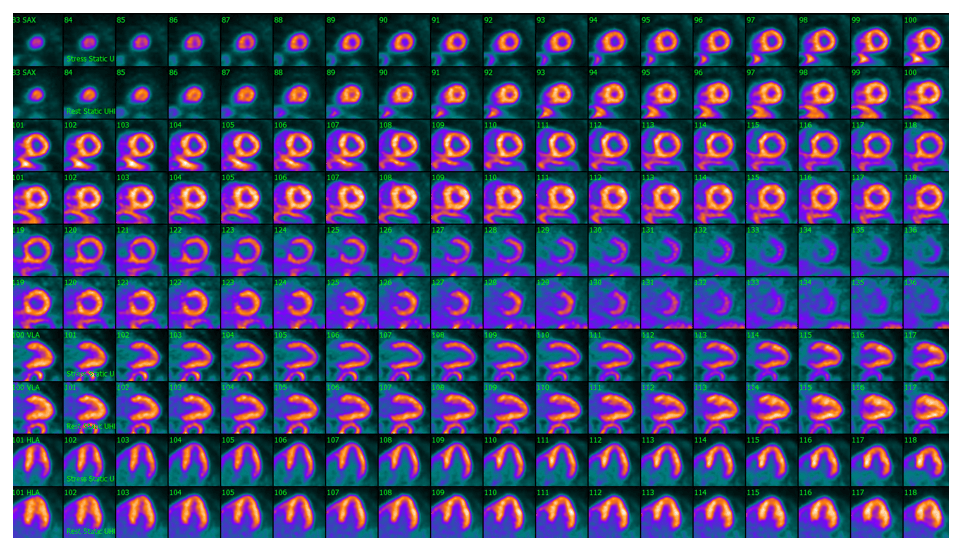
Cardiac Amyloidosis and Suspected Coronary Disease: What Would You Do Next?
An 80-year-old man with chest pain and known ATTR cardiac amyloidosis, diagnosed…

CMS Releases Final Medicare Physician Fee Schedule and Hospital Outpatient Payment Rates and Policies for 2027
The Centers for Medicare & Medicaid Services (CMS) has released the 2027…
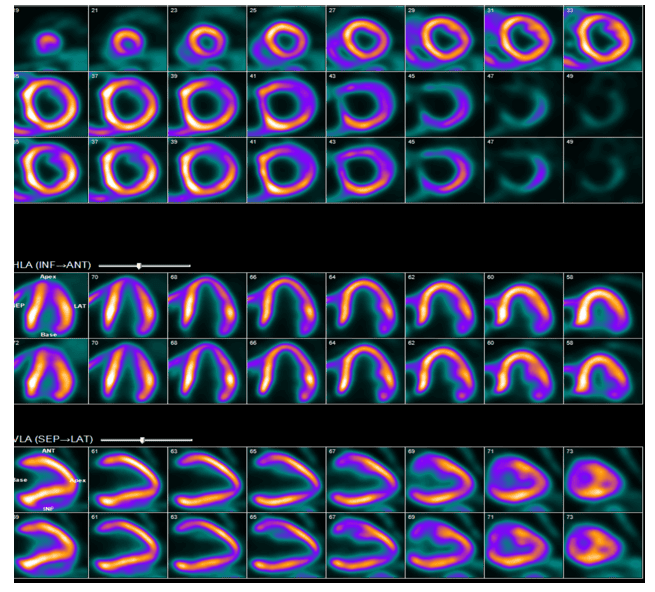
Declining LV Function During Cancer Therapy: What Would You Do Next?
For the October 2026 cardiac PET case poll, ASNC asked voters to…